
What is Levvix?
Levvix was founded on a single observation: Most luxury hotel photography documents a space, but it rarely captures the atmosphere. We specialize in closing that gap. With a portfolio spanning 120 countries and over 50 hospitality projects completed in 2026 year alone, our 4 person team helps high-end hotels move away from "informative" imagery toward emotive visuals that make a guest feel the property before they ever check in.
The Approach: Atmosphere Over Documentation
We don’t just show where a room is; I show what it feels like to be there. Our style is defined by a moody, cinematic aesthetic that highlights the distinct character and "soul" of a property.
To achieve this, we combine two specific pillars:
Organic Photography: Using natural light and "organic" compositions to create a visual signature that justifies a premium price point.
Uncut FPV Tours: Utilizing custom-built drones to create single-take, immersive walkthroughs that provide potential guests with a transparent, "first-person" experience of the entire estate.
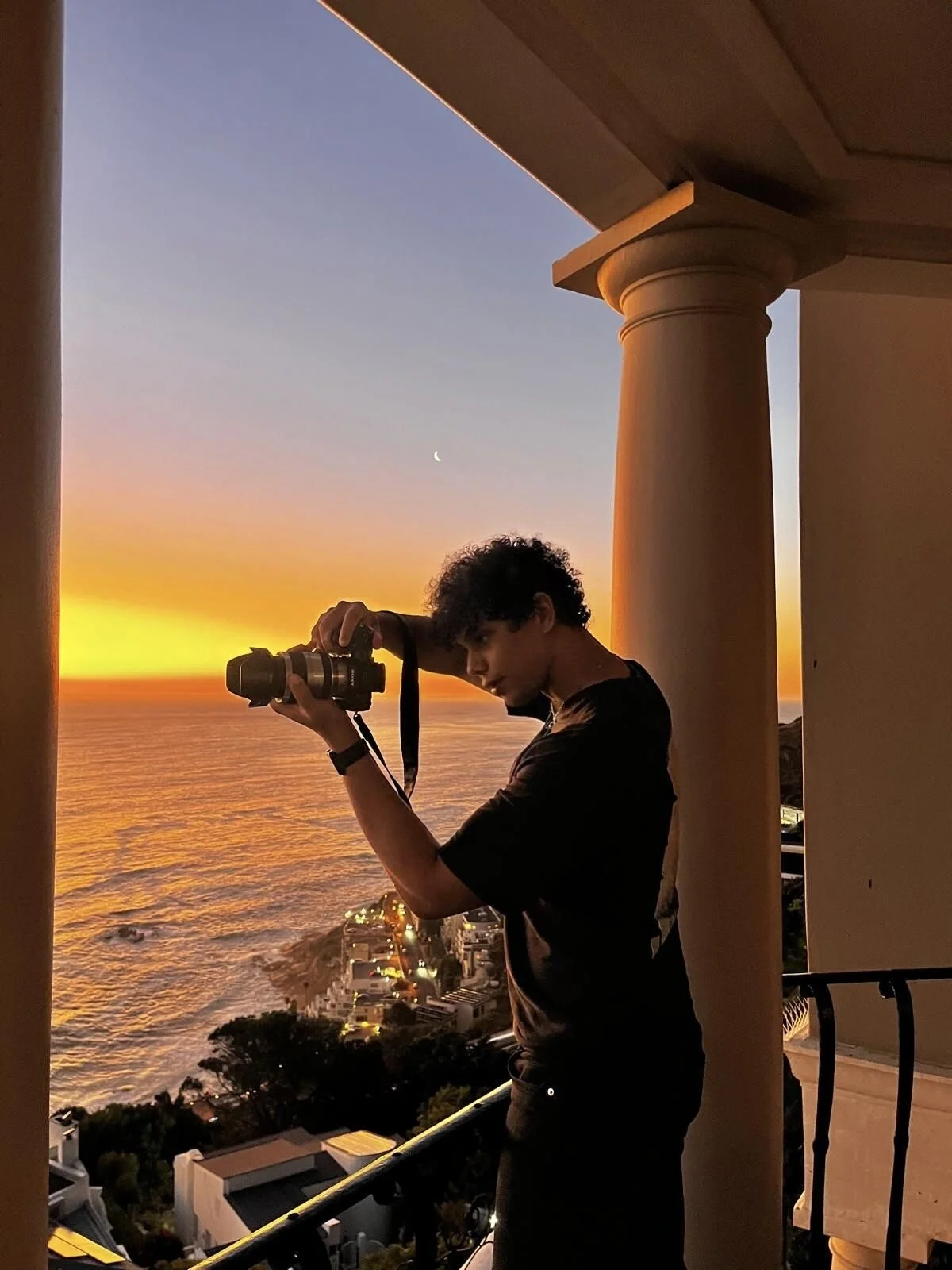
A little bit more about the founder of Levvix
I didn't start my career with a camera in my hand. I started with a book of flags and a degree in Aerospace Engineering.
Born in Brazil and raised in New Jersey, I have always been obsessed with what lies beyond the my room’s door. After my dad gifted me a book of ‘Flags of the World’, what started as a childhood curiosity eventually turned into a lifelong mission to visit every country on the planet. I have explored 120 nations so far, and that global perspective is exactly what I bring to my work and my photography.
My background in Aerospace Engineering is what originally drove me towards drones, far before they were a mainstream product. This technical foundation means I understand the mechanics of flight on a deeper level. This knowledge allows me to execute complex, continuous indoor flights with a level of precision and safety that is hard to find elsewhere.
After photographing over 300 high-end properties for brands like Four Seasons, Ritz-Carlton and Rosewood, I have learned that luxury is not just about how a place looks. It is about how it feels. My goal is to capture that intangible mood so your guests can feel the atmosphere before they even book their flight.
Today, my work at Levvix is centered on helping luxury properties stand out in a world of saturated, staged content. I love what I do every second of every day, and my hope is that this passion translates into photos that go beyond just documenting a space. I want to create images that tell a story, evoke a memory, and ultimately, invite your guests to become part of the narrative I’m capturing.
— Gui Levvandoski